
Supermarket Inventory Management: A Complete Guide for Supermarket Owners
LATEST POST


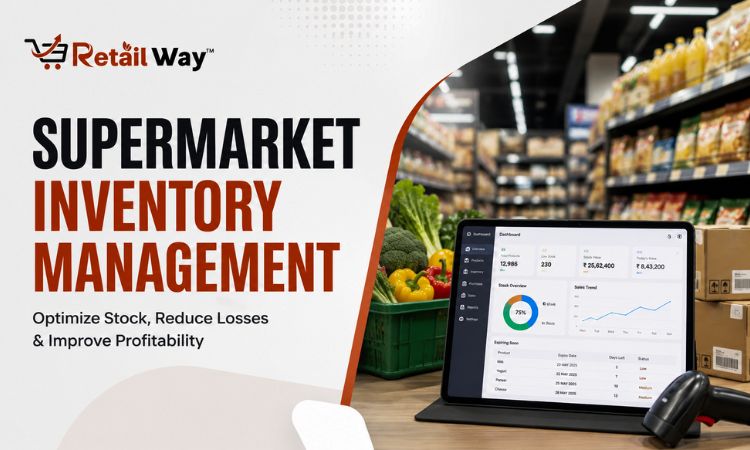
Nowadays, the Indian retail industry is actually growing at a good speed, and supermarkets are also becoming the reliable and preferred shopping destination for millions of customers. However, running a successful supermarket involves really much more than stocking products and serving customers. And, behind every profitable supermarket is a strong inventory management system that makes sure products are always available when customers exactly need them.
Supermarket inventory management plays a crucial role in controlling levels of stocks, reducing waste, and ultimately improving customer satisfaction, along with increasing profitability. No matter if you’re planning to start your first supermarket, already managing a grocery store, or even exploring a supermarket franchise, properly understanding inventory management is essential.
In this guide, we’ll cover everything you need to know about supermarket inventory management, including its key processes, best practices, common challenges, inventory techniques, and how exactly Retail Way helps franchise owners simplify inventory operations.
What Is Supermarket Inventory Management?
Supermarket inventory management is the process of tracking, controlling, storing, replenishing, and optimizing products within a supermarket. It helps ensure that the right products are available in the right quantity at the right time while minimizing losses caused by overstocking, stock shortages, or product expiry.
A supermarket may manage thousands of products across categories such as groceries, beverages, dairy, personal care, household items, frozen foods, and fresh produce. Inventory management helps store owners maintain visibility over every SKU and make informed purchasing decisions.
Effective inventory management focuses on three important questions:
- How much stock is currently available?
- How much stock is required?
- When should products be reordered?
When these questions are answered accurately, supermarkets can operate more efficiently and profitably.
Why Inventory Management Is Critical for Supermarkets
Inventory directly affects sales, customer satisfaction, and profitability. Poor inventory control can result in empty shelves, expired products, and unnecessary costs.
Prevents Stockouts and Lost Sales
Inventory directly affects sales, customer satisfaction, and profitability. Poor inventory control can result in empty shelves, expired products, and unnecessary costs.
Reduces Overstocking and Tied-Up Capital
Holding excess inventory may seem safe, but it ties up valuable working capital and increases storage costs. Proper inventory planning helps supermarkets maintain the right balance between supply and demand.
Minimizes Product Expiry and Waste
Perishable products require careful monitoring. Effective inventory systems help supermarkets rotate stock correctly and reduce losses caused by expired goods.
Improves Customer Satisfaction and Loyalty
Customers are more likely to return to stores that consistently provide fresh products and reliable availability. Good inventory management supports a better shopping experience and encourages repeat business.
Increases Overall Profitability
Every stockout avoided and every expired product prevented contributes directly to higher profit margins. Inventory management is not just an operational function, it is a key driver of business growth.
Common Inventory Management Challenges in Supermarkets
Managing inventory in a supermarket comes with several challenges that can affect operational efficiency.
Managing Thousands of SKUs Across Categories
Modern supermarkets stock thousands of products across multiple departments. Tracking these items manually can be difficult and often results in inventory inaccuracies.
Handling Perishable Products with Short Shelf Life
Fresh produce, dairy products, bakery items, and frozen foods require continuous monitoring. Poor planning can lead to spoilage and unnecessary losses.
Seasonal Demand Fluctuations
Customer buying behavior changes during festivals, holidays, and different seasons. Supermarkets must forecast demand accurately to avoid stock shortages or overstocking.
Inventory Shrinkage and Theft
Inventory shrinkage caused by theft, damage, or administrative errors can significantly impact profitability if not monitored regularly.
Supplier Delays and Stock Replenishment Issues
Late deliveries and supplier shortages can disrupt inventory levels. Maintaining safety stock helps reduce these risks.
Products that remain unsold for long periods occupy shelf space and tie up capital. Identifying slow-moving products early allows supermarkets to take corrective action.
Step-by-Step Supermarket Inventory Management Process
A structured inventory process helps supermarkets maintain stock accuracy and improve efficiency.
Step 1: Categorize Products by Demand and Movement: Group products into fast-moving, medium-moving, and slow-moving categories. This helps determine ordering frequency and stock levels.
Step 2: Set Minimum and Maximum Stock Levels: Establish reorder points and maximum stock limits for every product to avoid both stockouts and overstocking.
Step 3: Implement Barcode-Based Inventory Tracking: Barcode systems improve inventory accuracy and provide real-time visibility into stock movement.
Step 4: Monitor Inventory in Real Time: Real-time tracking allows managers to identify low-stock items and take action before products run out.
Step 5: Track Product Expiry Dates: Monitoring expiry dates helps reduce waste and ensures customers receive fresh products.
Step 6: Conduct Regular Stock Audits: Regular audits help identify discrepancies between physical stock and system records.
Step 7: Analyze Inventory Reports: Inventory reports provide insights into product performance, stock turnover, and purchasing trends.
Step 8: Automate Reordering Processes: Automated systems help generate purchase orders when stock levels reach predefined thresholds
Also Read: How to Start A Supermarket Franchise In India: A Complete Guide to Follow
How Supermarket Inventory Management Works
Inventory management involves several interconnected processes.
Inventory Planning: Demand forecasting helps determine future inventory requirements based on sales history and market trends.
Purchasing and Procurement: Products are ordered from suppliers according to forecasted demand and stock levels.
Goods Receiving and Verification: Incoming products are checked for quantity, quality, and expiry dates before being accepted into inventory.
Storage and Inventory Organization: Products should be stored systematically to improve accessibility and reduce handling errors.
Shelf Replenishment: Staff must ensure shelves remain stocked and products are rotated properly to maintain freshness.
Stock Monitoring and Reporting: Continuous monitoring provides visibility into inventory performance and helps support better business decisions.
Essential Inventory Management Techniques
Successful supermarkets rely on proven inventory management techniques to maintain control over stock.
ABC Analysis: Products are categorized according to value and sales volume. High-value products receive closer monitoring and control.
FIFO and FEFO: FIFO (First In, First Out) ensures older stock is sold first, while FEFO (First Expired, First Out) prioritizes products closest to expiry.
Safety Stock Management: Safety stock acts as a buffer against unexpected demand increases or supplier delays.
Reorder Point Method: Reorder points identify the exact inventory level at which new stock should be ordered.
Demand Forecasting: Historical sales data and market trends help predict future demand and improve purchasing accuracy.
Best Practices for Effective Inventory Management
- Maintain accurate inventory records.
- Use inventory management software.
- Review inventory performance regularly.
- Build strong supplier relationships.
- Train staff on inventory procedures.
- Monitor fast-moving and slow-moving products separately.
Following these practices helps supermarkets improve efficiency and reduce inventory-related issues.
Key Inventory Metrics Every Supermarket Should Track
Important metrics include:
- Inventory Turnover Ratio
- Stockout Rate
- Inventory Accuracy
- Shrinkage Rate
- Sell-Through Rate
- Gross Margin Return on Inventory (GMROI)
- Supplier Lead Time
Tracking these metrics helps supermarket owners make better inventory decisions.
Common Inventory Management Mistakes to Avoid
Common mistakes include:
- Ordering too much inventory
- Ignoring changing demand patterns
- Failing to monitor expiry dates
- Relying on manual inventory systems
- Conducting infrequent stock audits
Avoiding these mistakes helps improve profitability and operational efficiency.
How Inventory Management Software Helps Supermarkets
Modern inventory software simplifies stock management through:
- Real-time inventory tracking
- Automated purchase orders
- Barcode and POS integration
- Expiry date monitoring
- Reporting and analytics
These features reduce manual work and improve inventory accuracy.
Future Trends in Supermarket Inventory Management
The future of supermarket inventory management is becoming increasingly technology-driven.
AI-Powered Demand Forecasting: Advanced forecasting tools help predict demand more accurately.
Predictive Analytics: Predictive systems identify inventory risks before they affect operations.
Cloud-Based Inventory Systems: Cloud technology allows store owners to access inventory data from anywhere.
Automated Replenishment Systems: Automated replenishment improves stock availability while reducing manual intervention.
How Retail Way Handles Inventory Management for Franchise Owners
Inventory management can be overwhelming for first-time supermarket owners. Retail Way simplifies this process through a structured franchise model designed to support efficient operations.
Stock Refill Automation
Retail Way helps franchise partners maintain optimal inventory levels through organized replenishment systems that reduce stock shortages.
Access to 20,000+ Products Across 1,500+ Brands
Franchise owners gain access to a vast product catalog without the challenges of sourcing products independently.
Dedicated Backend Software
Retail Way provides inventory management tools that help franchise partners monitor stock levels in real time.
Centralized Offers and Discounts
Promotional campaigns and discount programs are managed centrally, helping stores remain competitive.
End-to-End Operational Support
From inventory procedures to staff training, Retail Way provides ongoing support that helps franchise owners focus on growing sales.
This is one of the reasons Retail Way is considered one of the best Supermarket Franchise opportunities in India for first-time business owners.
Also Read:: Top 15 Most Selling Supermarket Items That Drive Daily Profits
Conclusion
Effective Supermarket Inventory Management is essential for maintaining product availability, reducing waste, improving customer satisfaction, and increasing profitability. By implementing proper inventory processes, monitoring key metrics, and using modern inventory management tools, supermarket owners can create a more efficient and successful business.
For entrepreneurs looking to enter the retail industry with proven systems and operational support, Retail Way offers a franchise model designed to simplify inventory management and accelerate business growth. Explore the Retail Way supermarket franchise opportunity and take the next step toward building a successful retail business.
Frequently Asked Questions ( FAQs)
Q1: What is inventory management in a supermarket?
Ans: Inventory management is the process of tracking, controlling, storing, and replenishing products to ensure availability while minimizing waste and excess stock.
Q2: What are the best inventory techniques for perishable goods?
Ans: FIFO and FEFO are the most effective techniques for managing perishable products because they help reduce spoilage and waste.
Q3: How often should a supermarket conduct stock audits?
Ans: Most supermarkets should perform regular cycle counts weekly and conduct full inventory audits periodically.
Q4: What is the ideal inventory turnover ratio for supermarkets?
The ideal turnover ratio varies by category, but fast-moving grocery products generally benefit from higher turnover rates.
Q5: How does a supermarket franchise handle inventory differently?
Ans: A supermarket franchise provides established inventory systems, supplier networks, technology support, and operational guidance that independent stores often need to develop on their own.